If you're in the process of buying a home in Iowa, radon testing should be near the top of your priority list. Iowa consistently ranks among the states with the highest average indoor radon levels in the country, and the Des Moines metro area is no exception. At Beyond the Steps Home Inspections, we include radon testing as one of our core services because we've seen firsthand how common elevated levels are in Central Iowa homes.
What Is Radon and Where Does It Come From?
Radon is a naturally occurring radioactive gas that forms when uranium in soil and rock breaks down. It's colorless, odorless, and tasteless, which means you can't detect it without testing. Radon enters homes through cracks in foundations, gaps around pipes, and other openings where the building contacts the ground. Once inside, it can accumulate to levels that pose a real health risk.
According to the Environmental Protection Agency (EPA), radon is the second leading cause of lung cancer in the United States, responsible for an estimated 21,000 deaths each year. The risk increases with higher concentrations and longer exposure times, which is why testing your home matters.
Why Iowa Is a High-Risk State
Iowa's geology is a major factor. The state sits on glacial deposits that are rich in uranium-bearing minerals. The Iowa Department of Public Health reports that approximately 7 out of 10 Iowa homes have radon levels above the EPA's recommended action level of 4.0 picocuries per liter (pCi/L). That's a significantly higher rate than the national average.
Communities across Central Iowa, including Des Moines, Ames, Grinnell, Osceola, and Adair, all fall within zones where elevated radon is common. Whether you're looking at a brand-new construction home or a property that's been standing for decades, the risk is present. New homes are not immune; radon comes from the ground, not the building materials.
When Should You Test for Radon?
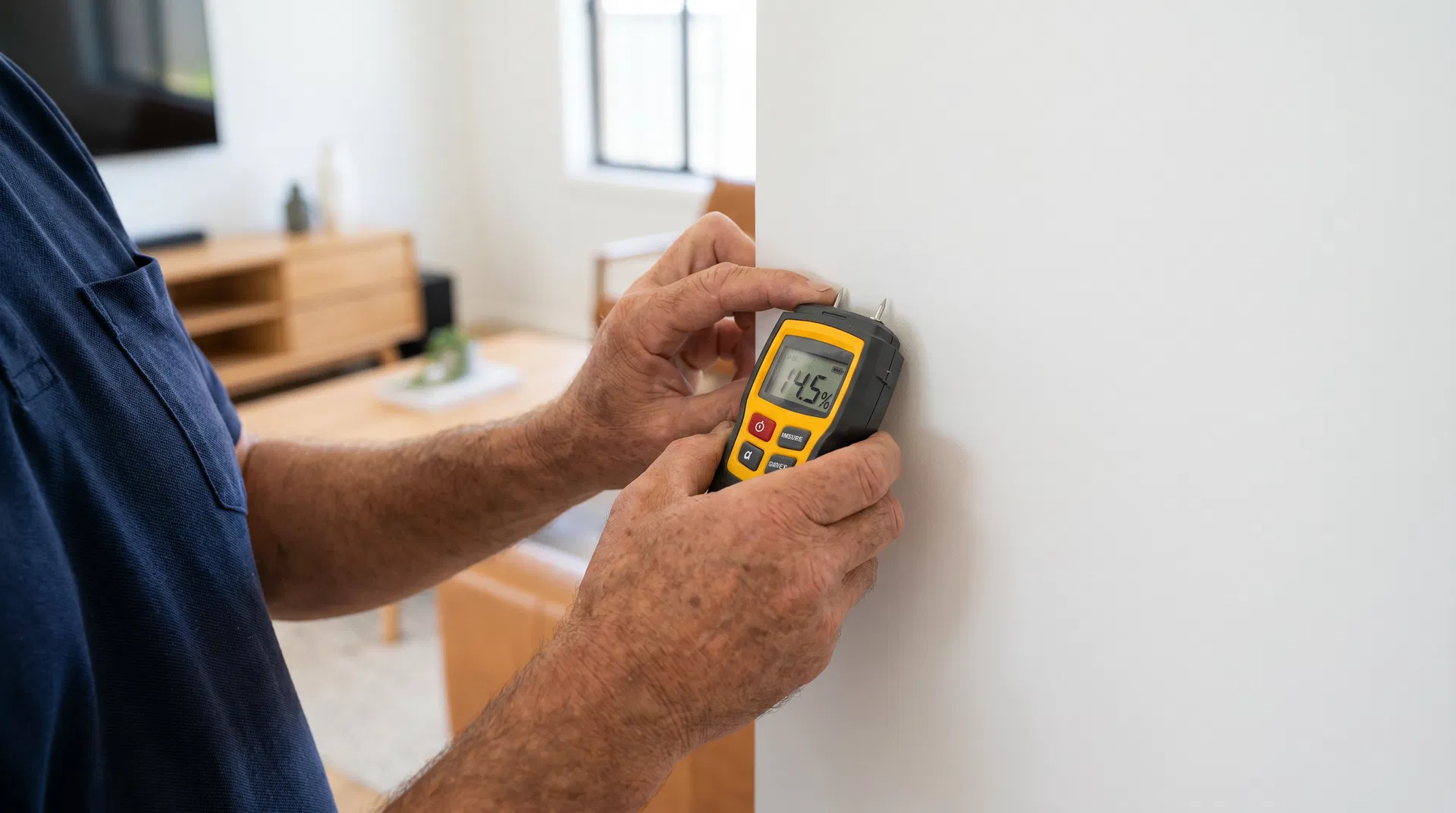
The best time to test is during the home buying process, ideally as part of your home inspection. Testing typically takes 48 hours using a continuous radon monitor that we place in the lowest livable area of the home. This gives us an accurate reading of the radon levels during normal conditions.
If you already own your home and haven't tested, it's worth doing. The EPA recommends that every home be tested, regardless of age or location. If you've made changes to your home, like finishing a basement or adding an addition, retesting is a good idea since the building's interaction with the soil may have changed.
What Happens If Levels Are High?
Finding elevated radon doesn't mean you should walk away from a home. Radon mitigation systems are effective and relatively affordable. A typical mitigation system involves installing a vent pipe and fan that pulls radon from beneath the foundation and vents it outside, where it disperses harmlessly. Most systems cost between $800 and $1,500 to install, and they reduce radon levels by up to 99%.
In a real estate transaction, radon mitigation is often a negotiation point. Buyers may ask the seller to install a system before closing, or the cost can be factored into the purchase agreement. Either way, knowing the radon level gives you the information you need to make an informed decision.
How Beyond the Steps Can Help
At Beyond the Steps Home Inspections, we offer professional radon testing alongside our standard home inspection services. We use calibrated continuous radon monitors that provide hour-by-hour data over the testing period, giving you a reliable picture of the home's radon levels. Our results are included in your inspection report with clear explanations of what the numbers mean and what your options are.
We serve the Des Moines metro area, Ames, Grinnell, Osceola, Adair, and any community within a one-hour radius. If you're buying a home in Central Iowa, radon testing is one of the most important steps you can take to protect your family's health and your investment. Schedule your inspection today or call (423) 609-9548.